

Choosing Materials for Industrial Welding in Harsh Environments

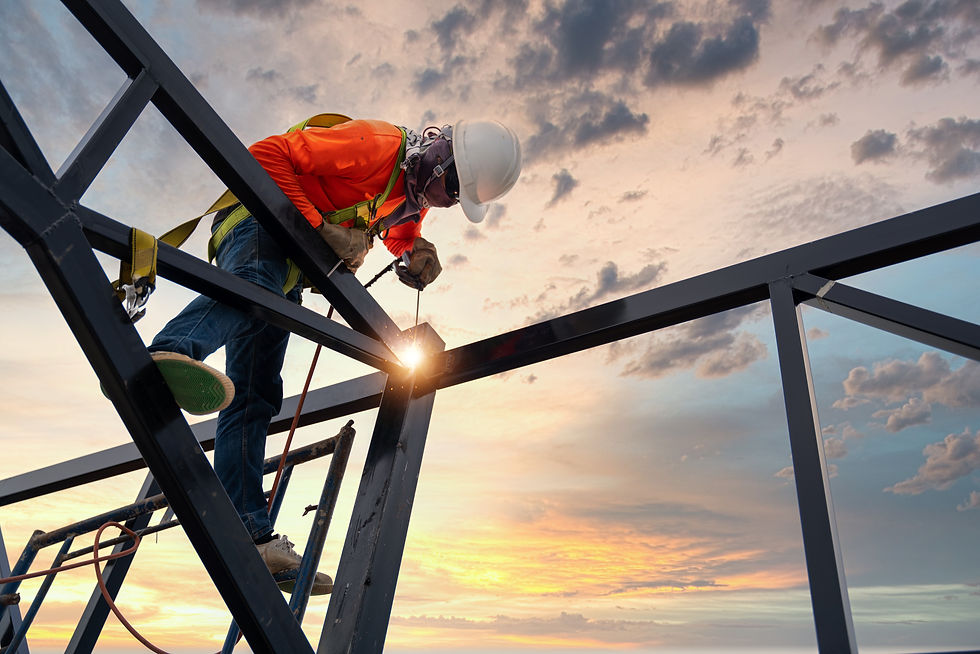
When it comes to industrial welding and fabrication, choosing the right material is just as important as the quality of the weld itself. Structures exposed to moisture, chemicals, fluctuating temperatures, and corrosive environments demand materials that can stand up to extreme conditions without compromising performance or safety. From water treatment facilities and chemical plants to outdoor industrial infrastructure, the wrong material choice can lead to premature corrosion, structural failure, expensive downtime, and ongoing maintenance issues.
At Brody’s Welding, we work with commercial and industrial clients across multiple industries that operate in some of the harshest environments imaginable. Our team understands how stainless steel, carbon steel, and specialty alloys each perform under different conditions, helping businesses choose the right material for long-lasting durability, efficiency, and compliance.
Why Material Selection Matters
Every welded structure faces stress over time. In harsh environments, that stress increases dramatically due to exposure to:
Corrosive chemicals
High humidity and moisture
Saltwater or marine conditions
Extreme heat or cold
Abrasion and impact
Sanitation and hygiene requirements
Material selection directly impacts the lifespan, maintenance requirements, and reliability of a welded structure. Choosing a lower-cost material upfront may seem appealing, but if it cannot withstand the environment, repair and replacement costs can quickly outweigh the initial savings.
That is why industrial welding projects should always begin with a careful evaluation of operating conditions, exposure risks, structural requirements, and long-term maintenance expectations.
Stainless Steel
Stainless steel remains one of the most popular materials for harsh-environment welding applications because of its excellent corrosion resistance and clean finish. Its chromium-rich composition creates a protective oxide layer that helps prevent rust and chemical deterioration.
Industries such as food processing, pharmaceuticals, dairy production, water treatment, and chemical manufacturing frequently rely on stainless steel because it can withstand moisture, cleaning chemicals, and sanitary washdowns.
Best Applications for Stainless Steel
Stainless steel is especially effective for:
Water treatment piping systems
Chemical processing equipment
Outdoor structures exposed to moisture
Food-grade processing systems
Pharmaceutical equipment
Sanitary tubing and tanks
Certain grades of stainless steel perform better in specific conditions. For example, 304 stainless steel works well in general industrial settings, while 316 stainless steel offers enhanced corrosion resistance in marine or chemical-heavy environments due to its molybdenum content.
Stainless steel also performs well in environments that require frequent cleaning or sanitation. Smooth weld finishes help reduce contamination risks, making it ideal for hygienic applications.
However, stainless steel is not always the most cost-effective option. Material costs are typically higher than carbon steel, and specialized welding techniques may be required to avoid contamination or distortion during fabrication.
Carbon Steel
Carbon steel continues to be one of the most widely used materials in industrial fabrication because of its strength, versatility, and affordability. It performs exceptionally well in structural applications where corrosion exposure is limited or protective coatings can be applied.
At Brody’s Welding, our team works extensively with carbon steel in structural fabrication, piping systems, equipment repair, and industrial manufacturing applications.
Best Applications for Carbon Steel
Carbon steel is commonly used for:
Structural frames
Heavy equipment
Industrial platforms
Machinery components
Outdoor infrastructure with protective coatings
General fabrication projects
One of carbon steel’s biggest advantages is its weldability. It is compatible with multiple welding processes, including MIG, TIG, and STICK welding, making it a flexible option for many commercial and industrial projects.
However, untreated carbon steel is vulnerable to rust and corrosion when exposed to moisture or chemicals. In outdoor environments or water treatment facilities, protective measures such as galvanizing, coatings, or paint systems are often necessary to extend service life.
Carbon steel may still be the preferred option when structural strength is more important than corrosion resistance or when budgets require a cost-effective solution.
Specialty Alloys for Extreme Conditions
In environments involving high heat, aggressive chemicals, pressure fluctuations, or severe corrosion, specialty alloys may provide the best long-term performance. Alloy materials combine additional elements such as nickel, chromium, molybdenum, or titanium to enhance durability and resistance.
Specialty alloys are often used in:
Chemical plants
Refineries
Power generation facilities
Marine environments
High-temperature systems
Pressure vessels
For example, nickel-based alloys like Inconel perform exceptionally well in high-temperature and corrosive environments, while Hastelloy offers outstanding resistance to aggressive chemical exposure.
While alloy materials can significantly increase upfront project costs, they often reduce maintenance, downtime, and replacement expenses over time. In highly corrosive environments, investing in the correct alloy can dramatically extend equipment lifespan and improve operational reliability.
Matching Industrial Welding Materials to the Environment
No single material works best for every project. The ideal choice depends on balancing performance, environmental exposure, structural requirements, and budget.
Chemical Plants
Chemical facilities require materials capable of resisting corrosion from acids, solvents, and industrial chemicals. Stainless steel and specialty alloys are often the preferred solutions because they maintain structural integrity even under constant chemical exposure.
Water Treatment Facilities
Water treatment plants face constant exposure to moisture, chemicals, and varying temperatures. Stainless steel is frequently used for piping systems, tanks, and processing equipment because of its corrosion resistance and sanitary properties.
Outdoor Industrial Structures
Outdoor structures face rain, humidity, UV exposure, and temperature swings. Carbon steel with protective coatings may be suitable for some applications, while stainless steel offers longer-lasting corrosion protection in coastal or high-moisture environments.
Food and Pharmaceutical Facilities
These industries require sanitary welding practices and materials that resist contamination. Stainless steel remains the industry standard because it is easy to clean, corrosion-resistant, and compliant with strict hygiene standards.
Welding Expertise Matters Just as Much as Material Choice
Even the highest-quality material can fail if welding procedures are not performed correctly. Different metals require different welding methods, filler materials, shielding gases, and heat controls to maintain structural integrity and corrosion resistance.
For example, improper welding between stainless steel and carbon steel can create stress points or increase the risk of galvanic corrosion. Industry professionals consistently emphasize the importance of matching filler materials and welding techniques to the application requirements.
That is why experienced welders play a critical role in ensuring long-term performance in harsh environments. At Brody’s Welding, our team has decades of experience handling industrial welding and fabrication projects across chemical plants, water treatment facilities, food processing plants, pharmaceutical operations, and manufacturing facilities throughout the Tri-State area. We work with stainless steel, carbon steel, specialty alloys, and custom piping systems to deliver durable solutions built for demanding conditions.
Build for Longevity
Harsh environments demand more than basic fabrication. Choosing the correct material from the beginning helps improve safety, reduce maintenance costs, minimize downtime, and extend the life of your welded structures.
Whether your facility requires corrosion-resistant stainless steel, durable carbon steel, or specialized alloy solutions, partnering with an experienced welding contractor ensures your project is built to withstand the demands of your environment.
If your operation needs industrial welding, fabrication, or piping solutions designed for long-term performance, contact Brody’s Welding today to discuss your next project.


Comments